
Returning to Exercise After an Orthopedic Injury
September 17th, 2026OrthoHC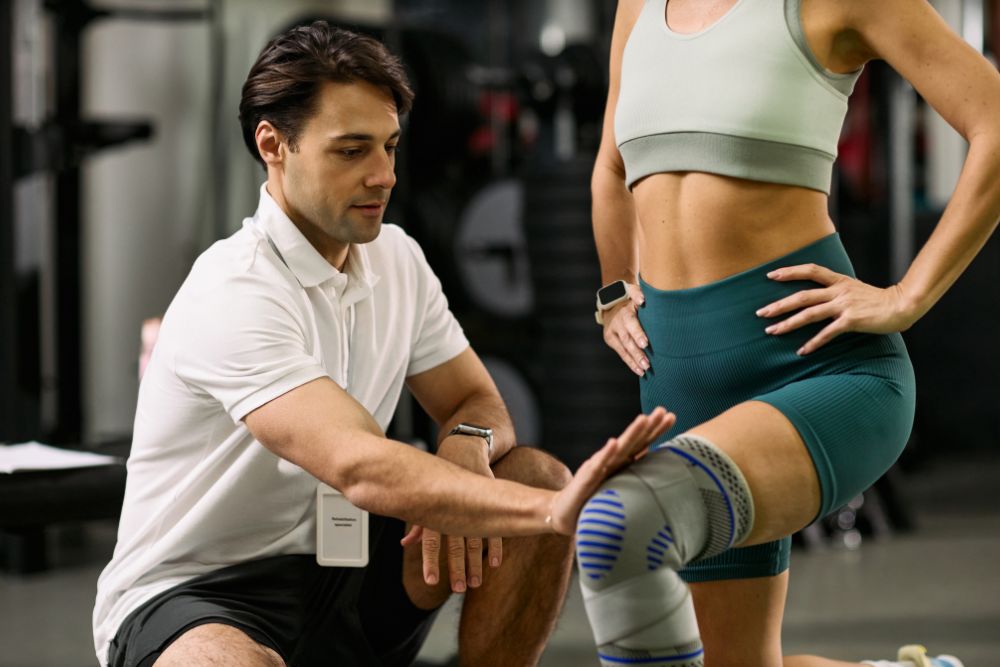
When you are used to staying active, being sidelined by an orthopedic injury can be frustrating. Once initial pain fades and mobility starts to return, it may be tempting to return to your usual workouts as quickly as possible. However, even if your symptoms have improved, it does not always mean that the injured tissue has fully recovered or that your body is ready to handle the same level of stress it did before the injury.
A safe return to exercise is typically a gradual process. Giving the injury enough time to heal, rebuilding strength and mobility, and paying attention to how your body responds can help you return to the activities you enjoy while reducing the risk of another setback.
The Risks of Returning to Exercise Too Quickly
Pain and swelling often improve before the healing process is complete. Returning to strenuous activity before your injury has adequately healed, or before you are cleared by your doctor, can lead to reinjury and extended recovery time.
An injury can also temporarily change the way you move. Compensating for pain or instability, even without realizing it, often shifts stress onto other joints and muscles, which can lead to an additional site of pain or injury.
The Role of Rehabilitation and Physical Therapy
Rest is often an important part of the early healing process, but that does not necessarily mean avoiding all movement until your injury heals. Depending on the nature of the injury, an orthopedic specialist or physical therapist may introduce gentle movement relatively early into the rehabilitation process to help maintain mobility, reduce stiffness, and limit unnecessary muscle loss.
A physical therapy program for an orthopedic injury may focus on:
- Restoring joint range of motion
- Improving flexibility
- Rebuilding strength around the injured area
- Correcting movement or balance deficits
- Improving stability and coordination
- Gradually reintroducing movements required for your usual activities
As recovery progresses, exercises can become more challenging and more closely resemble the movements you perform during workouts, recreational activities, or sports.
How Do You Know When It Is Safe to Exercise Again?
There is no universal timeline for returning to physical activity after an orthopedic injury.
Recovery depends on several factors, including:
- The type of injury
- How severe the damage is
- Which part of the body is affected
- Whether surgery was required
- Your age and overall health
- Your usual activity level
- The type of exercise or sport you hope to resume
- Your progress during rehabilitation
Because healing is more complex than it may seem, make sure you are cleared by your orthopedic specialist before returning to your normal activity level.
Signs You May Be Doing Too Much Too Soon
When returning to your typical activity level, your orthopedic specialist or physical therapist may recommend beginning with shorter, lower-intensity sessions and increasing activity over time.
Depending on your injury, this could include walking, gentle strengthening, mobility exercises, or low-impact cardiovascular activities before progressing to running, jumping, or heavier resistance training.
As you progress, make sure to check in with your body. Signs that your current activity level may be too demanding include:
- Pain that develops or increases during exercise
- New or increasing swelling
- Symptoms that remain noticeably worse after your workout
- Reduced range of motion
- New weakness or instability
- Numbness or tingling
- Limping or changing the way you move to avoid discomfort
- A return of symptoms that had previously improved
These changes may mean that your body needs additional recovery time or that your exercise program needs to be adjusted.
Every recovery looks different, and the safest path back to exercise is the one built around your specific needs. At The Orthopedic Health Center, our orthopedic specialists provide comprehensive care for injuries affecting the joints, muscles, bones, and spine. We take a personalized approach to our care, working directly with patients to determine when and how to safely increase your activity.
If an injury is keeping you from your usual workouts or you are unsure whether you are ready to return to exercise, our specialists at our Hoboken, Jersey City, and Bayonne locations are here to help. Request an appointment to learn more.
Appointments available now.